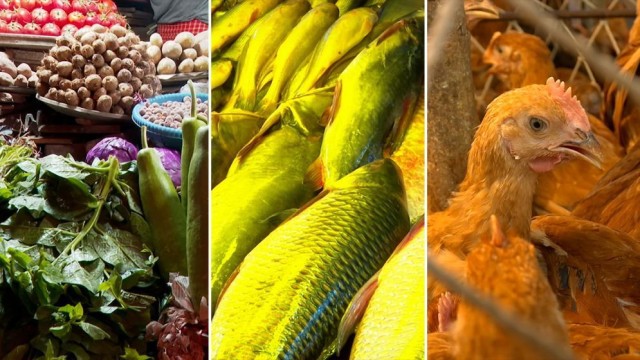
DHAKA, Apr 03 (V7N) — The temporary relief in commodity prices following the Eid-ul-Fitr holidays has come to an abrupt end. A visit to various kitchen markets in the capital this Friday revealed a sharp upward trend in the cost of essentials, with vegetable prices jumping by Tk 10 to Tk 20 per kg and certain poultry categories hitting record highs due to a persistent supply crisis.
The market volatility is being attributed to a combination of increased consumer demand as residents return to the city and the broader logistical strain caused by the ongoing national fuel and energy crisis.
Vegetable Market: "Century" Mark Surpassed
Vegetable prices, which had briefly stabilized last week, are once again "skyrocketing." Several items have now crossed the Tk 100 threshold (the "century" mark):
| Vegetable Item | Previous Price (per kg) | Current Price (per kg) |
| Bitter Gourd (Korola) | Tk 80 | Tk 100 – Tk 120 |
| Ridge Gourd (Jhinga) | Tk 80 | Tk 120 |
| Snake Gourd (Chichinga) | Tk 80 | Tk 120 |
| Brinjal/Beans/Patal | Tk 60 | Tk 80 |
| Yardlong Bean (Barbati) | Tk 80 | Tk 100 |
Seller Perspective: Traders at Karwan Bazar and Mohakhali noted that the influx of customers returning from village homes has significantly outpaced the daily supply, allowing wholesalers to hike rates.
Poultry Market: Supply Crisis Hits Hard
The poultry sector is currently witnessing a "tale of two markets," where premium birds are becoming a luxury while mass-market broiler prices offer a slight, albeit minor, reprieve.
-
Golden (Sonali) Chicken: Prices have surged to Tk 440 per kg due to a severe supply shortage.
-
Domestic (Deshi) Chicken: Now retailing between Tk 750 and Tk 800 per kg, making it inaccessible for most middle-income households.
-
Broiler Chicken: In a rare bit of positive news, prices have dipped slightly to Tk 180–Tk 190 per kg (down from over Tk 200 last month).
The "Fuel Factor": Farm owners and distributors highlighted that the national fuel crisis and the recent Tk 378 hike in LPG have made transporting birds and operating hatcheries significantly more expensive. Furthermore, many small-scale farmers have shut down operations due to the rising cost of poultry feed and previous business losses.
Consumer Frustration and Inflationary Pressure
For people with limited incomes, the combined impact of high food inflation and rising utility costs is becoming unsustainable.
-
Public Demand: Many buyers are calling for the Directorate of National Consumer Rights Protection (DNCRP) to investigate whether unscrupulous traders are using the fuel crisis as a pretext for artificial price gouging.
-
Economic Strain: With LPG cylinders now at Tk 1,728 and the 11-party opposition alliance threatening street protests over the "July Charter," the mood in the markets remains tense.
"A few days ago, we could at least afford vegetables. Now, even a simple meal of rice and bitter gourd feels like a luxury. The government must step in to stop this hoarding." — A shopper at the Mirpur-1 market.
The market situation remains volatile as the country monitors the Middle East conflict, which continues to dictate the global energy prices that indirectly drive these local market spikes.
END/SMA/AJ