RAJSHAHI, Sept 07 (V7N) — Despite groundwater levels falling alarmingly in the Barind region, groundwater extraction through illegal motors using residential electricity connections continues in Tanore upazila of Rajshahi.
Local residents allege that a section of officials and employees of the Rural Electricity Association are allegedly involved in providing electricity connections to these motors, resulting in uncontrolled extraction and wastage of groundwater.
The situation has also put irrigation projects operated by the Barind Multipurpose Development Authority (BMDA) through deep tube wells at risk, they said.
According to sources concerned, around 30 deep tube wells in Tanore have become inactive over the past week as the groundwater level has fallen further. In a region that has been facing water shortages for years, the development has raised fresh concerns over agriculture and future water security.
According to various research findings, the average groundwater level in the Barind region was around 26 feet below the surface between 1985 and 1990. By 2010, it had fallen to around 50 feet and reached nearly 60 feet in 2021.
At present, the groundwater level has fallen below 113 feet in some areas. There have also been reports of deep tube wells failing to find water even after drilling to depths of up to 170 feet in some parts of Rajshahi, Naogaon and Chapainawabganj.
To address the growing water crisis, a gazette published on November 6, 2025, declared 4,911 mouzas in the Barind region as water-stressed areas for the next 10 years.
Of these, 1,469 mouzas have been classified as facing extremely high water stress, 884 as high and 1,240 as moderate water stress.
Tanore has 552 deep tube wells, including 536 operated by the BMDA and 16 privately owned. In addition, the upazila has more than 800 shallow tube wells and irrigation pumps of various types.
Of the 23,993 hectares of cultivable land in the upazila, 22,332 hectares are currently under irrigation.
According to people concerned, around 80 per cent of water extracted through deep tube wells is used for irrigation, whereas only about 40 per cent of water extracted through illegal motors is effectively used. The remaining 60 per cent is reportedly wasted.
They said uncontrolled use of such motors is placing additional pressure on already-depleted groundwater resources.
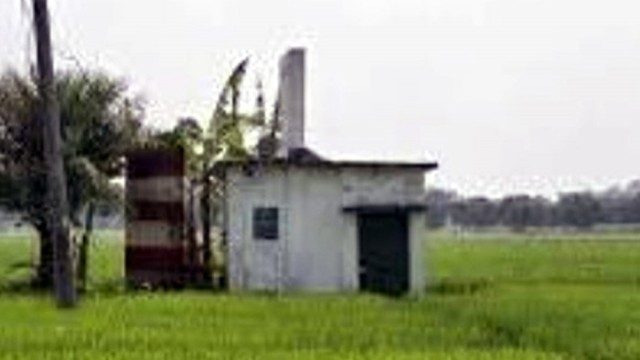
Local residents allege that 2–4 horsepower motors are being installed in different areas of Panchandar, Talanda, Badhair and Baidyapur unions using residential electricity connections to irrigate agricultural land.
Under existing regulations, irrigation through residential electricity connections is supposed to result in disconnection of the electricity supply. However, residents allege that instead of disconnecting the connections, Tk 1,500 is being collected every month in the name of fines.
Naimul Hasan, assistant engineer of the BMDA Tanore Zone, said there was no provision for installing irrigation motors within the command areas of deep tube wells.
“Irrigation cannot be carried out using residential electricity connections either,” he said.
Rezaul Karim Khan, deputy general manager (DGM) of the Tanore Rural Electricity Zonal Office, said awareness campaigns, including microphone announcements, had been conducted to discourage farmers from using irrigation before the Boro cultivation season.
Despite this, 5,000–6,000 farmers were fined Tk 1,500 each for continuing to irrigate, he said.
He added that farmers would not be fined again if they gave written undertakings that they would not use residential connections for irrigation in the future.
Local residents fear that if illegal motors are not stopped and groundwater extraction is not brought under control, Tanore could face a severe shortage of safe drinking water in the future, in addition to irrigation problems.
Farmers are also questioning who will take responsibility if BMDA initiatives to protect groundwater levels fail.
END/MRA/SMA/